Source Paint Strainer Nylon Filter Mesh for Solvent Paints
Find and compare 30 paint strainer nylon filter mesh options for solvent and water-based paints. These single-layer, plain weave discs offer abrasion resistance and high water absorption for effective liquid filtration in various industrial applications.
Key considerations
Products List




Comprehensive Sourcing Guide
Paint Strainer Nylon Filter Mesh Sourcing Guide
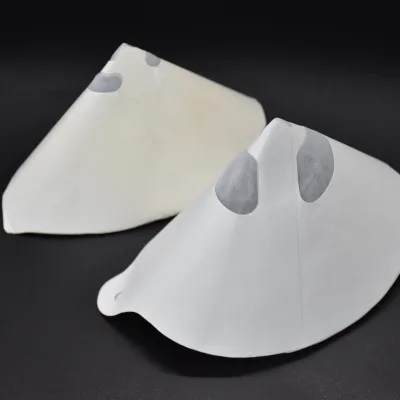
The paint strainer nylon filter mesh serves as a critical component in the filtration of both solvent-based and water-based paints, ensuring a smooth application free from particulate contaminants. These devices are engineered with a single network structure and plain weave configuration, utilizing high-strength nylon material to provide the necessary durability during the filtration process. The primary function of these strainers is to act as a paint filter, effectively removing debris before the coating reaches the surface, which is essential for achieving a professional finish in industrial and commercial painting projects.
Buyers should note that these products are available in various forms, including rolls, discs, ribbons, and bags, with specific models like the AS-13 series and SG-FT-PA series indicating different structural and dimensional configurations. The mesh openings are available in a range of micron sizes, typically spanning from 100 to 280 microns, allowing procurement teams to select the precise filtration grade required for their specific viscosity and particle size requirements. This variability ensures that the filter mesh can be tailored to different stages of the painting process, from coarse pre-filtration to fine finishing.
Product Scope and Observed Listing Signals
The market for paint strainer nylon filter mesh presents a diverse range of product attributes, including specific design styles such as New China-Chic and functional shapes like cones and square holes. While the core material remains consistent as nylon, the product listings indicate a wide array of model numbers, such as AS-13-34, SG-FT-PA-17, and 96, which suggest distinct manufacturing batches or specialized applications. The observed price range of 0.01 to 60 USD reflects the variability in unit costs based on these model differences, packing configurations, and order volumes, requiring buyers to carefully align their budget with the specific technical needs of their project.
Procurement decisions must account for the diverse packaging standards observed in the supply chain, which include polybags, PE bags, PP bags, and standard export cartons, often with quantities ranging from 250 pieces per polybag to 1000 pieces per carton. The minimum order quantity (MOQ) for these items is frequently set at 100 boxes, though some listings indicate flexibility down to 1 unit, necessitating a clear understanding of the supplier's specific terms before placing an order. Additionally, the products are marked as disposable with an expiration date, reinforcing their role as single-use consumables rather than reusable industrial equipment, which impacts inventory planning and waste management strategies.
Technical Specifications to Verify
When evaluating the technical integrity of the filter mesh, the buyer must prioritize the verification of mesh opening sizes, which are critical for determining the filtration efficiency. The available micron ratings include 100, 125, 150, 190, 200, 220, and 280 microns, with specific models like SG-FT-PA-18 offering 125um and 190um options. It is essential to confirm that the selected mesh opening aligns with the particle size of the contaminants in the paint being filtered, as an incorrect micron rating can lead to either clogging or insufficient filtration, compromising the quality of the final paint job.
Beyond the mesh dimensions, the structural composition and material properties must be scrutinized to ensure long-term performance under stress. The products are characterized by a single layer and single network structure, offering advantages such as great strength, elasticity, and wrinkle resistance, alongside abrasion and chemical resistance. Buyers should verify that the nylon material meets the specific demands of their application, particularly regarding hydrophilic properties and water absorption capabilities, which are vital for water-based paints, while also ensuring the filter bag section shape, typically round, fits the intended filtration equipment.
Compliance and Safety Documentation
Safety and regulatory compliance are paramount when sourcing filtration products that come into direct contact with industrial coatings and solvents. The supply chain data indicates that products may carry certifications such as ISO9001, which validates the manufacturer's quality management systems, alongside specific material safety certifications like RoHS, Reach, Proposition 65, and Silicon Test results. These documents are crucial for ensuring that the nylon filter mesh does not introduce harmful substances into the paint or the environment, particularly in regions with strict environmental and health regulations regarding chemical exposure.
Buyers must also verify the environmental suitability of the filter bags, as the medium material is often synthetic fiber designed to withstand specific temperature conditions. The documentation should explicitly state the filter bag environment and temperature limits to prevent material failure during use, especially when filtering heated paints or working in extreme climates. Ensuring that the product meets these safety standards not only protects the end-user but also mitigates liability risks associated with the use of non-compliant filtration materials in professional painting operations.
Cost Drivers and Commercial Terms
The commercial landscape for paint strainer nylon filter mesh is influenced by several key cost drivers, including the complexity of the model, the specific mesh opening size, and the volume of the order. The observed MOQ of 100 boxes suggests that smaller orders may incur higher per-unit costs, while larger volumes could benefit from economies of scale. Buyers should analyze the relationship between the model number and the price point, as specialized models with unique features like the New China-Chic design style or specific packing configurations may command a premium over standard offerings.
Logistics and shipping terms also play a significant role in the total cost of ownership, with products originating from regions like Shandong and Zhejiang in China. The packing methods, ranging from polybags to standard export cartons, directly impact shipping efficiency and potential damage during transit, which can affect the final delivered cost. Procurement teams should negotiate clear terms regarding shipping methods, such as courier or sea freight, and ensure that the packaging is robust enough to protect the disposable filter discs during long-distance transport, thereby minimizing the risk of receiving damaged goods.
Supplier Qualification and Quality Control
Establishing a reliable supplier base requires a rigorous vetting process that goes beyond the basic product listings to assess the manufacturer's capability and consistency. The presence of ISO9001 certification is a strong indicator of a supplier's commitment to quality management, but buyers should also request evidence of their production processes, particularly regarding the weaving and cutting of the nylon mesh to ensure uniformity in mesh opening sizes. Verifying the supplier's ability to handle customization requests, such as OEM logo acceptance and specific shape requirements, is essential for maintaining brand consistency and meeting unique project specifications.
Quality control measures must be integrated into the procurement workflow to ensure that every batch of filter mesh meets the advertised performance standards. Buyers should implement incoming inspection protocols that test for key attributes like strength, elasticity, and chemical resistance, as these are critical advantages listed for the product. Additionally, verifying the supplier's track record for delivering products with the correct packing specifications, such as the 250PCS/Polybag or 1000 PCS/CTN configurations, helps prevent logistical errors and ensures that the inventory received matches the order requirements exactly.
Long-Term Procurement Checks
Sustaining a successful procurement relationship for paint strainer nylon filter mesh involves regular performance reviews and continuous monitoring of supplier reliability. Buyers should establish a schedule for periodic audits of the supplier's quality control processes and production capacity to ensure they can meet fluctuating demand without compromising on the mesh opening tolerances or material integrity. This proactive approach helps in identifying potential supply chain disruptions early and allows for the adjustment of order volumes or specifications before they impact production schedules.
Furthermore, long-term procurement strategies should include the evaluation of new product developments and technological advancements in the filtration industry. As the market evolves, suppliers may introduce new models or improved materials that offer better resistance to abrasion or enhanced hydrophilic properties. By maintaining open communication with suppliers and staying informed about industry trends, buyers can ensure that their filtration solutions remain effective and efficient, adapting to changing paint formulations and application requirements over time.
FAQs
What materials are used for paint strainer nylon filter mesh?
The paint strainer nylon filter mesh is primarily made from high-quality nylon and synthetic fiber materials. These materials provide great strength, elasticity, and wrinkle resistance. The mesh is designed to be hydrophilic with higher water absorption capabilities. It also offers abrasion and chemical resistance, making it suitable for solvent and water-based paints. The structure is a single network with plain weave for consistent filtration performance.
Can I customize the logo on the paint strainer nylon filter mesh?
Yes, OEM logo customization is acceptable for these paint strainer nylon filter mesh products. Buyers can request specific branding to be applied to the packaging or the product itself. This service supports brand identity for distributors and professional users. The customization options allow for tailored marketing solutions while maintaining the standard product specifications and quality certifications required for industrial and commercial applications.
What certifications do the paint strainer nylon filter mesh products have?
The paint strainer nylon filter mesh products hold ISO9001 certification, ensuring quality management standards are met. Additional certifications include RoHS, Reach, Proposition 65, and Silicon Test compliance. These certifications verify that the materials are safe and meet international regulatory requirements. This makes the products suitable for various global markets and industries that require strict adherence to environmental and safety standards for filtration materials.
What are the available mesh opening sizes for the filter mesh?
The available mesh opening sizes for the paint strainer nylon filter mesh include 100, 125, 150, 190, 200, 220, and 280 microns. Specific models may offer 125um and 190um options. These varied sizes allow users to select the appropriate filtration grade for different paint viscosities and particle sizes. The mesh openings are consistent with the plain weave structure to ensure effective separation of impurities from liquid paints.
What is the minimum order quantity for the paint strainer nylon filter mesh?
The minimum order quantity for the paint strainer nylon filter mesh is typically 100 boxes. This MOQ allows for flexible purchasing for both small businesses and larger industrial buyers. The products are packed in polybags and cartons, with 250 pieces per polybag and 1000 pieces per carton. This packaging standard ensures efficient shipping and storage while protecting the filter discs during transit.
Where are the paint strainer nylon filter mesh products manufactured?
The paint strainer nylon filter mesh products are manufactured in China, specifically in Shandong and Zhejiang provinces. These regions are known for their robust manufacturing capabilities and supply chain efficiency. The products originate from these locations and are exported globally using standard export cartons. The manufacturing process adheres to ISO9001 standards to ensure consistent quality and reliability for international buyers.